Everything You Need to Know to Have a Beautiful Lawn

madwire • April 8, 2015

Share this article

1. Choose Wisely  (just like mama said)

No matter what you do, if you have the wrong type of grass for your area of the country or your lawn’s specific needs, the lawn will be mediocre at best. Lawn professionals in our area are familiar with the grasses that grow well in the different lawn settings.  Full-sun large lawns, north-sloping lawns under large trees, partially shaded patio lawns – each may require a different turf type or a specific variety.

2.   Water…Water…Water (but not too much)

Most people know that the proper amount of water is an important factor if they want a thick, lush and healthy  lawn. But most of us don’t know how much to water or why.  In the Mid-South, our lawns typically need an average of 1 to 1 ½  inches of rainfall (or irrigation equivalent) per week during the growing season.  This will allow the water to provide several “services” for your lawn:

  1. Insulation: Water actually helps insulate grass from sudden temperature changes. It also acts as a “radiator” keeping the grass cooler in the summer and warmer in the winter (yes, your lawn needs water even in the winter if the soil becomes dry and crumbly).
  2. Nutrition: Water is the medium that carries food to the leaves of the grass. Nutrients move from the soil, into the roots. Then it’s the water that carries the nutrients and stored sugars from the roots throughout the plant. If the plant doesn’t have enough water, it won’t be able to “feed” the whole plant
  3. Root Development: Watering properly can stimulate the roots into growing deeper. The deeper the roots grow,  the more stress a plant can withstand without significant damage. It’s not a guarantee that your lawn will survive a hot, dry summer, but it will give it every possible opportunity to thrive.  This is why watering less often and more deeply is beneficial to healthy root growth.

3.   Nutrition: “Feed Me, Please!”

A lawn needs five basic nutrients – Carbon, Oxygen, Nitrogen, Phosphorus, and Potassium – along with several trace minerals. Each nutrient supports a different aspect of the plant and plant development. This is why lawn care professionals suggest several fertilizations throughout the year. Fertilizers are classified by three numbers – the first showing the percentage of Nitrogen (N), the second showing the percentage of Phosphorus (P), and the third showing the percentage of Potassium (K).  A typical lawn fertilizer may be labelled “25-5-10”.  This means the bag contains 25% Nitrogen, 5% Phosphorous and 10% Potassium.  It has been said “Nitrogen to green and grow, Phosphorous for flower and fruit and Potassium for root and shoot.”   If you provide these basic nutrients you will be giving your lawn the best fighting chance possible.

  1. Carbon in the soil helps to keep it loose and crumbly, therefore holding moisture and giving the roots  an ideal environment for growth. Carbon is best found in organic matter (decaying leaves and grass clippings, compost, etc.).  Organic matter helps make the lawn more drought resistant.
  2. Oxygen helps the plant break down food so it can get to the energy inside. Without oxygen, you could provide premium fertilizer and your lawn will still struggle to survive.
  3. Nitrogen simply helps your plant grow and provides that deep green color every neighbor envys. If your lawn is deficient in nitrogen,  it may appear off-color and stunted.  Much of the stored nitrogen supply in a lawn is housed in the leaves. Every time you cut your lawn and bag the clippings,  you are taking away a portion of the nitrogen.  This is one reason why most lawn professionals recommend mulching clippings in place on the turf.
  4. Phosphorus is a necessary component of photosynthesis and is used in reproduction. In the Mid-South, phosphorous is usually plentiful in our soils.  Many fertilizer blends reduce or eliminate phosphorous from the mix unless the fertilizer is for newly seeded or sodded lawns.
  5. Potassium (potash) is a multifaceted nutrient. It helps plants develop healthy roots, stems and leaves.  Potassium also increases disease resistance, improves carbohydrate storage and strengthens wear tolerance.  Plus potassium allows better stress management and helps increase root mass by encouraging root development.

4.   Sunlight: Key to a “bright” future

If you think back to high school biology class you can probably remember little green squigglez your teacher told you turn sunlight to energy. Though it sounded funny at the time, that little piece of information is going to be the cornerstone to your lawn successes. Your lawn MUST have sunlight. The amount of sunlight can be all day, all morning or all afternoon, or filtered through the trees during the entire day.   Different turf grasses require different amounts of sunlight.

Bermuda typically needs 5 to 6 hours or more sunlight per day.  Zoysias will tolerate as little as four hours or more and fescues typically need two to three hours minimum sunlight per day.

5. Temperature: The Ups and Downs

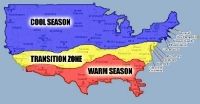
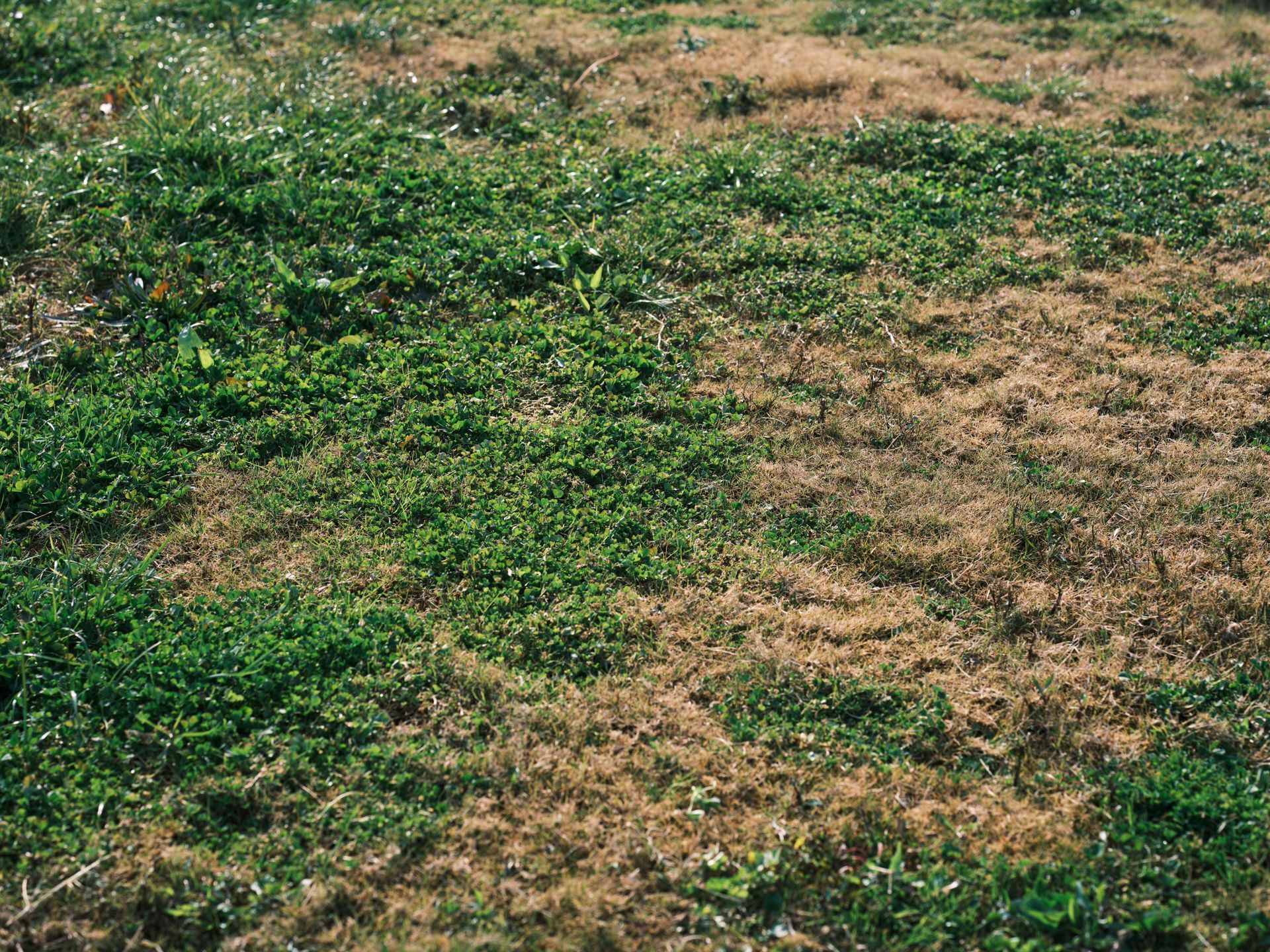
Your lawn is surprisingly sensitive to temperature. Grasses are broken down into two main categories: cool season and warm season. It all depends on your zone. Here, in the Mid-South, we can support both cool season and warm season grasses…just at different times of year. Bermuda and Zoysia are warm season grasses. They prefer temperatures in the 80s or 90s, but do not like it when temperatures fall into the low 40s and into the 30s. That is why your bermuda and Zoysia will go dormant after frost (yes, the brown color is natural, it’s not dead). Fescue, on the other hand, is a cool season grass. It will struggle and barely make it through the hot summer only to explode into a vibrant green as soon as the temperatures dip into the 60s and we get some rainfall. Fescue will also stay green through the winter (making your bermuda neighbors jealous).

Recent Posts

April 3, 2026
Spring in Memphis brings warmer temperatures, longer days, and much-needed rain—but it also signals the start of weed season. As lawns begin to wake up from winter dormancy, weeds are already active below the surface, ready to take advantage of changing conditions. Early prevention and control are key to keeping your yard healthy, thick, and weed-free throughout the growing season. Why Spring Weed Control Matters in Memphis Memphis lawns face a unique combination of mild winters, early warm spells, and spring rainfall. These conditions create the perfect environment for weeds like crabgrass, henbit, chickweed, and clover to thrive. Many of these weeds germinate before homeowners even notice them, competing with grass for nutrients, sunlight, and water. Once weeds become established, they’re much harder—and more expensive—to eliminate later in the season. That’s why spring is the most critical time to focus on proactive weed management. The Role of Pre-Emergent Weed Control One of the most effective tools for spring weed prevention is pre-emergent weed control . Pre-emergents work by stopping weed seeds from germinating in the first place, creating a protective barrier in the soil before weeds ever break the surface. Timing is everything. In Memphis, pre-emergent applications are most effective as soil temperatures begin to rise consistently—often late winter to early spring. Applying too late allows weeds to take hold, while applying too early can reduce effectiveness. Early Post-Emergent Treatments: Stopping Weeds in Their Tracks  Even with pre-emergent treatments, some weeds may still appear due to weather fluctuations or existing seed pressure. That’s where early post-emergent weed control comes in. Targeting young, actively growing weeds in early spring prevents them from spreading and producing seeds that can cause problems later in the year. Professional treatments ensure weeds are addressed without harming your turf, especially important for common Memphis grasses like Bermuda and fescue. Healthy Lawns Naturally Resist Weeds A thick, well-maintained lawn is one of the best defenses against weeds. Proper fertilization, mowing at the correct height, and consistent lawn care practices help grass grow dense enough to crowd out unwanted growth. Spring lawn care sets the foundation for strong root development and long-term weed resistance. Why Professional Weed Control Makes a Difference Spring weed control requires precise timing, product selection, and local expertise. At Personal Lawn Care , we understand Memphis lawns and the seasonal challenges they face. Our tailored weed control programs focus on prevention first, early intervention second, and long-term lawn health always. By starting weed control early in the spring, you’re protecting your lawn for the entire growing season—and saving yourself frustration down the road. Get Ahead of Weeds This Spring If you want a greener, healthier lawn without the constant battle against weeds, now is the time to act. Contact Personal Lawn Care today to learn more about our spring weed prevention and early control services designed specifically for Memphis yards.
Yellow lightbulb illuminated, representing an idea or solution.
By czarina October 27, 2025
As the vibrant greens of summer give way to the golden tones of fall, your lawn in Memphis begins its quiet transition into dormancy. But don’t be fooled—autumn isn’t the time to neglect your grass. In fact, fall is one of the most important seasons to care for your lawn if you want it to… The post Fall Lawn Care in Memphis: Best Practices for a Healthy, Beautiful Yard appeared first on Personal Lawn Care, Inc..

Lush, bright green lawn filling the frame.
By Kimberly Smith May 28, 2025
If you’re living in Memphis and dreaming of a lush, green lawn that survives the Southern heat and thrives throughout the seasons, the good news is—you’re in the right climate for some fantastic grass options. But not all grass types are created equal. With Memphis’ hot, humid summers and typically mild winters, choosing the right… The post Best Lawn Grass Types for Memphis and Year-Round Care Tips appeared first on Personal Lawn Care, Inc..
By Kimberly Smith February 10, 2025
Spring might feel far away, but it’s never too early to dream of a lush, green lawn. By tackling a few simple tasks now, you’ll set the stage for a thriving yard that’s the envy of the neighborhood. Here are some practical tips to get you started: 1. Start with Scalping  Start with Scalping (Warm… The post Lawn Care Tips to Prepare for Spring appeared first on Personal Lawn Care, Inc..
By Kimberly Smith July 17, 2023
Many people in the Memphis area will have freeze damage to their landscaping over the winter. When that happens, it raises many questions. We found a great video about rejuvenation pruning and how it’s saving landscapes in the Memphis area after a brutal winter freeze! Dale Skaggs, the director of horticulture at the Dixon Gallery… The post Rejuvenation Pruning After Freeze Damage appeared first on Personal Lawn Care, Inc..
By madwire July 8, 2021
You may not be too concerned about how you’re mowing your lawn — all that really matters is that it looks lush and lively. After all, is there a wrong way to mow? According to most lawn care professionals, there absolutely is a right and wrong way to go about mowing your lawn. Proper lawn… The post 7 Tips for a Lush Lawn appeared first on Personal Lawn Care, Inc..
By madwire May 26, 2021
Weed control services are essential for proper lawn maintenance. You spend too much time and money keeping your yard well-groomed to have it ruined by pesky weeds. We know all too well that that’s easier said than done. Weed removal is an ongoing process during the spring and summer months. At Personal Lawn Care, we… The post The Problems Weeds Pose to Your Lawn appeared first on Personal Lawn Care, Inc..
By madwire May 26, 2021
Did you remember to get a flu shot… for your lawn? Protect Zoysia now or resod later. Thick Zoysia turf can be an envy of the neighborhood. This versatile durable grass grows well from full sun to partial shade. It’s durable, but not indestructible. During the spring & fall Zoysia can quickly come under attack-seemingly… The post Flu Shot for Your Lawn appeared first on Personal Lawn Care, Inc..
Lawn fertilizer services in Memphis, with fresh grass growing in soil, and a button
By madwire March 10, 2021
If you haven’t read part one of this series, be sure to catch up on our first three lawn care tips to prepare your yard for spring. If you live in Memphis and the surrounding areas, don’t let the warm days and backyard parties sneak up on you — get in touch with Personal Lawn… The post Six Lawn Care Tips To Prepare for Spring – Part Two appeared first on Personal Lawn Care, Inc..
Lush green grass with text overlay
By madwire February 26, 2021
They say: “spring is in the air…”  Well, almost. As we round out the month of February, most of us are looking forward to putting the cold, winter days behind us. While it’s not quite time to plant a garden or pull out the picnic basket, it’s high-time you start preparing your lawn for the… The post Six Lawn Care Tips To Prepare for Spring – Part One appeared first on Personal Lawn Care, Inc..
Show More