
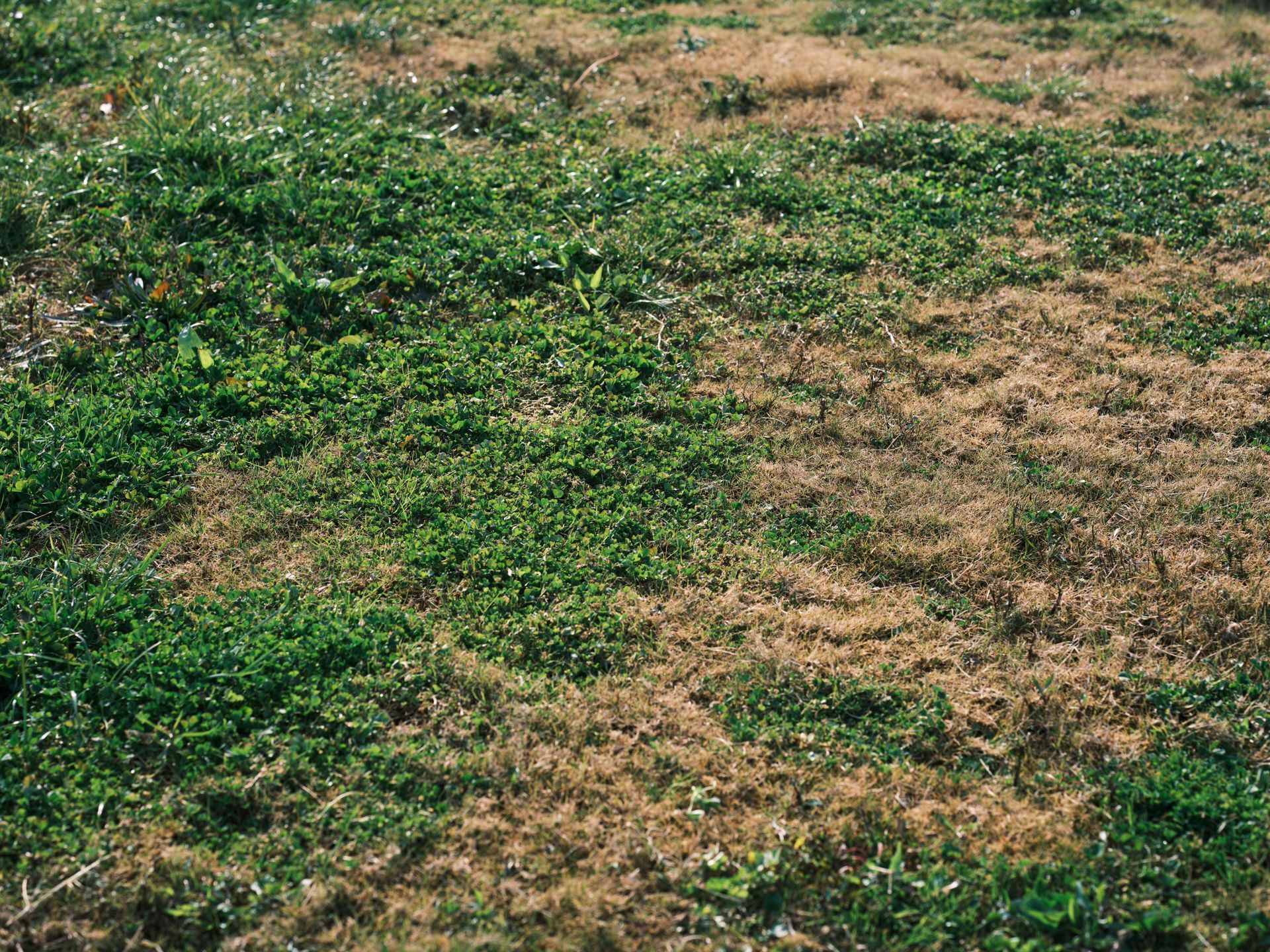
If it’s army worm season in Memphis, look out! Here's how to identify them, what to watch for, and why fast action matters.

Mistake #1: Cutting too short.
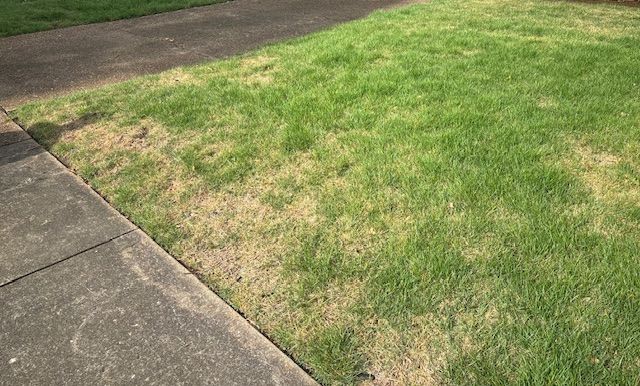
Brown patches spreading in your Memphis Bermuda or Zoysia lawn? It might be chinch bugs or hunting billbugs — not drought. Here's how to tell and stop them.
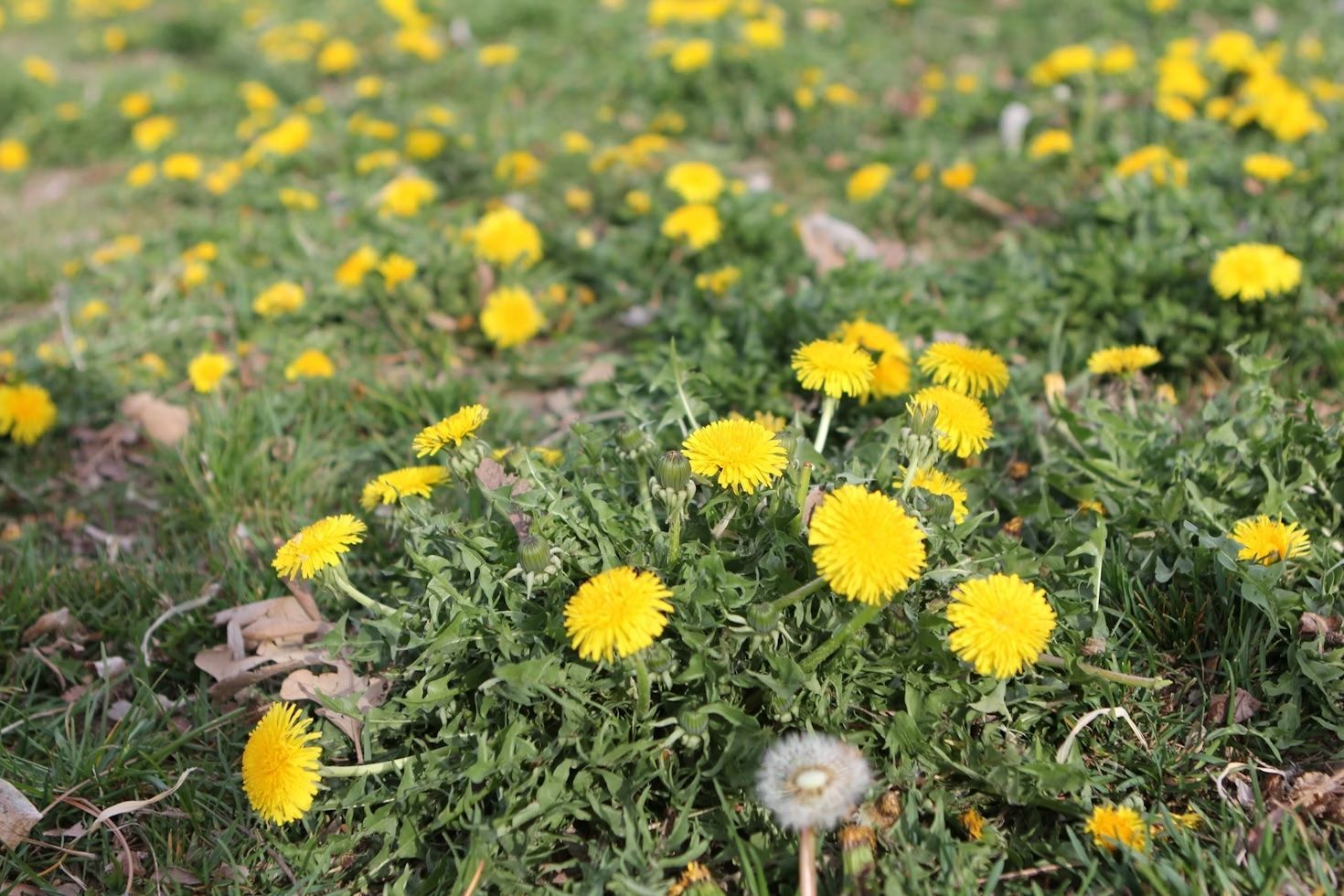
Spring in Memphis brings warmer temperatures, longer days, and much-needed rain—but it also signals the start of weed season. As lawns begin to wake up from winter dormancy, weeds are already active below the surface, ready to take advantage of changing conditions. Early prevention and control are key to keeping your yard healthy, thick, and weed-free throughout the growing season. Why Spring Weed Control Matters in Memphis Memphis lawns face a unique combination of mild winters, early warm spells, and spring rainfall. These conditions create the perfect environment for weeds like crabgrass, henbit, chickweed, and clover to thrive. Many of these weeds germinate before homeowners even notice them, competing with grass for nutrients, sunlight, and water. Once weeds become established, they’re much harder—and more expensive—to eliminate later in the season. That’s why spring is the most critical time to focus on proactive weed management. The Role of Pre-Emergent Weed Control One of the most effective tools for spring weed prevention is pre-emergent weed control . Pre-emergents work by stopping weed seeds from germinating in the first place, creating a protective barrier in the soil before weeds ever break the surface. Timing is everything. In Memphis, pre-emergent applications are most effective as soil temperatures begin to rise consistently—often late winter to early spring. Applying too late allows weeds to take hold, while applying too early can reduce effectiveness. Early Post-Emergent Treatments: Stopping Weeds in Their Tracks Even with pre-emergent treatments, some weeds may still appear due to weather fluctuations or existing seed pressure. That’s where early post-emergent weed control comes in. Targeting young, actively growing weeds in early spring prevents them from spreading and producing seeds that can cause problems later in the year. Professional treatments ensure weeds are addressed without harming your turf, especially important for common Memphis grasses like Bermuda and fescue. Healthy Lawns Naturally Resist Weeds A thick, well-maintained lawn is one of the best defenses against weeds. Proper fertilization, mowing at the correct height, and consistent lawn care practices help grass grow dense enough to crowd out unwanted growth. Spring lawn care sets the foundation for strong root development and long-term weed resistance. Why Professional Weed Control Makes a Difference Spring weed control requires precise timing, product selection, and local expertise. At Personal Lawn Care , we understand Memphis lawns and the seasonal challenges they face. Our tailored weed control programs focus on prevention first, early intervention second, and long-term lawn health always. By starting weed control early in the spring, you’re protecting your lawn for the entire growing season—and saving yourself frustration down the road. Get Ahead of Weeds This Spring If you want a greener, healthier lawn without the constant battle against weeds, now is the time to act. Contact Personal Lawn Care today to learn more about our spring weed prevention and early control services designed specifically for Memphis yards.

As the vibrant greens of summer give way to the golden tones of fall, your lawn in Memphis begins its quiet transition into dormancy. But don’t be fooled—autumn isn’t the time to neglect your grass. In fact, fall is one of the most important seasons to care for your lawn if you want it to…
The post Fall Lawn Care in Memphis: Best Practices for a Healthy, Beautiful Yard appeared first on Personal Lawn Care, Inc..

If you’re living in Memphis and dreaming of a lush, green lawn that survives the Southern heat and thrives throughout the seasons, the good news is—you’re in the right climate for some fantastic grass options. But not all grass types are created equal. With Memphis’ hot, humid summers and typically mild winters, choosing the right…
The post Best Lawn Grass Types for Memphis and Year-Round Care Tips appeared first on Personal Lawn Care, Inc..
Spring might feel far away, but it’s never too early to dream of a lush, green lawn. By tackling a few simple tasks now, you’ll set the stage for a thriving yard that’s the envy of the neighborhood. Here are some practical tips to get you started: 1. Start with Scalping Start with Scalping (Warm…
The post Lawn Care Tips to Prepare for Spring appeared first on Personal Lawn Care, Inc..
Many people in the Memphis area will have freeze damage to their landscaping over the winter. When that happens, it raises many questions. We found a great video about rejuvenation pruning and how it’s saving landscapes in the Memphis area after a brutal winter freeze! Dale Skaggs, the director of horticulture at the Dixon Gallery…
The post Rejuvenation Pruning After Freeze Damage appeared first on Personal Lawn Care, Inc..
You may not be too concerned about how you’re mowing your lawn — all that really matters is that it looks lush and lively. After all, is there a wrong way to mow? According to most lawn care professionals, there absolutely is a right and wrong way to go about mowing your lawn. Proper lawn…
The post 7 Tips for a Lush Lawn appeared first on Personal Lawn Care, Inc..
Weed control services are essential for proper lawn maintenance. You spend too much time and money keeping your yard well-groomed to have it ruined by pesky weeds. We know all too well that that’s easier said than done. Weed removal is an ongoing process during the spring and summer months. At Personal Lawn Care, we…
The post The Problems Weeds Pose to Your Lawn appeared first on Personal Lawn Care, Inc..